A weakened jury system is a gift to the far right
At a time when trust in institutions is collapsing, juries remain one of the few places where civic duty still lives.

For most of us, civic duty is an increasingly foreign proposition.
We may vote every few years, fill in a census form, perhaps sign a petition about road closures in our neighbourhood. These exercises can feel abstract and distant, and our contribution too often meaningless.
Jury service is different. It is a responsibility that is immediate, tangible, and profoundly democratic. Ordinary citizens are asked to put a pause on their lives, gather in a room, and decide the fate of a fellow human being.
Now, that rare opportunity is under threat. The government is preparing to strip juries from tens of thousands of cases, leaving only the most serious crimes – murder, rape, manslaughter – in the hands of ordinary people. Lesser assaults, thefts, handling stolen goods, and a whole range of “either-way” offences, may soon be decided by magistrates or a new judge-only division.
As avenues for civic participation are increasingly hollowed out, and too many feel adrift from their communities, this is not simply a minor procedural tweak, but a retreat from the principle that normal people should have an active role in holding the state to account.
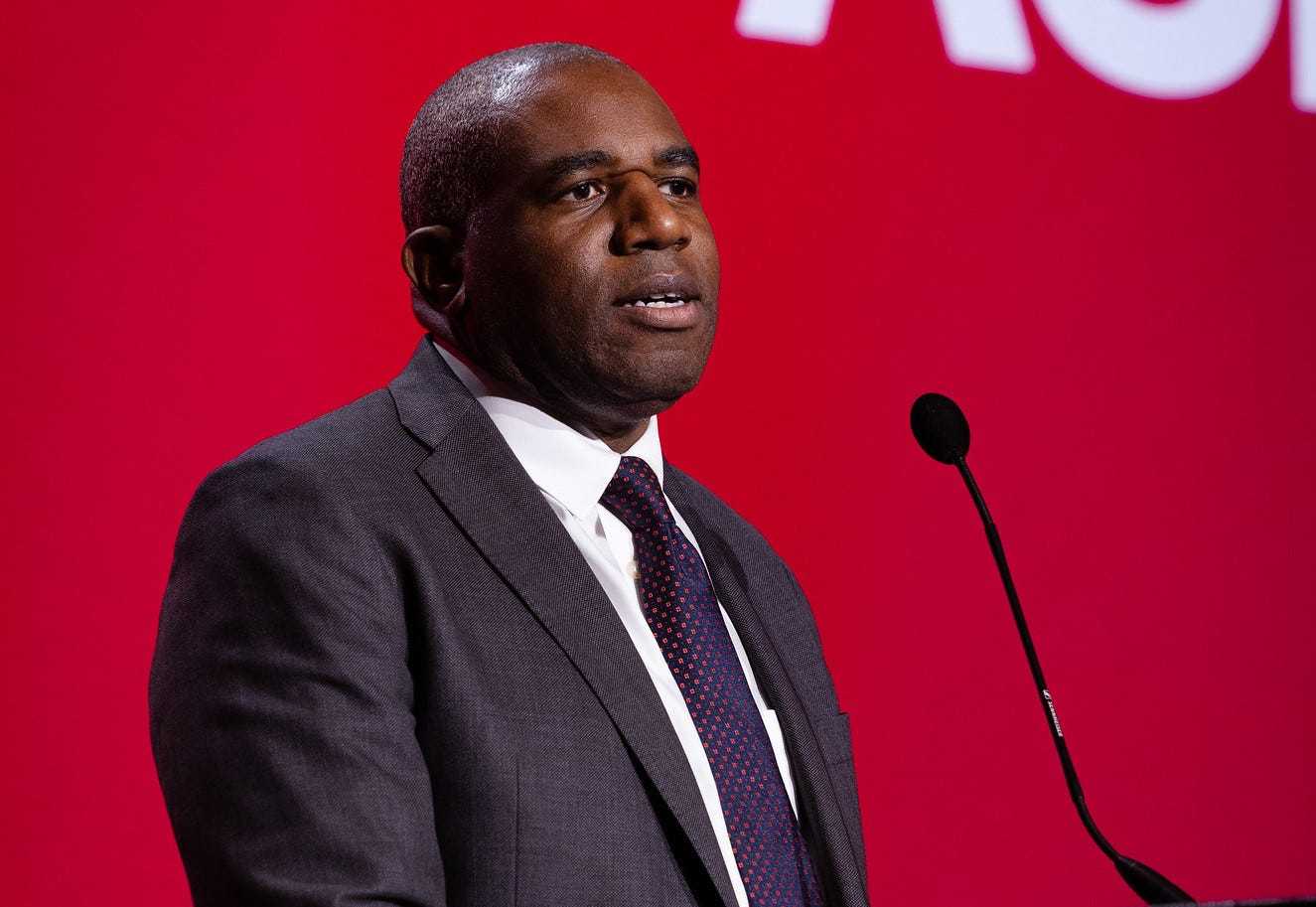
David Lammy insists he has always believed in juries. The justice secretary thanked the 300,000 people a year who sit on them, described them as “fundamental”, and stressed he does not want the system to collapse. And yet, today he confirmed plans that will radically shrink the scope of trial by jury. He appears to have rowed back from a leaked proposal that would have restricted juries to offences carrying more than five years in prison – a historic diminution of public participation in justice. But even the revised threshold represents one of the most significant erosions of jury trial in modern British history.
The reforms are being sold as a necessary, pragmatic, and unavoidable response to a criminal court backlog of 100,000 cases, which has left victims in limbo for years. But they also serve as a convenient way to avoid confronting the root causes: a gutted legal aid system, crumbling court buildings, chronic understaffing, and decades of underinvestment. In many cases, juries are not the problem, and removing them will not fix the backlog. It will simply shift the burden onto an already overstretched judiciary – and, more worryingly, loosen one of the few remaining democratic guardrails we still have.
Juries are imperfect. They can be inconsistent, bored, ill-informed, occasionally swayed by prejudice. But crucially, they uphold something rare, ancient and profound: the idea that the state cannot take away your liberty without first convincing a group of ordinary citizens that it is right to do so.
We are living in a moment when a genuine hard-right insurgent party – Reform UK – is plausibly within reach of power. The far-right continues its upward march. This is a movement that trades in conspiracy and contempt for institutions, thriving when trust collapses and when the public has been removed from the levers of decision-making. Curtailing juries may feel procedural and administrative, but it is precisely these small democratic guardrails the far-right loves to see weakened. When the public’s role is shrunk, the ground is softened for more radical assaults later.
And we cannot ignore the peril in concentrating more power in the hands of judges at a time when senior judicial figures are becoming more – not less – politicised. We only need to look across the Atlantic to see what happens when a judiciary becomes a battleground for ideological capture. The point of the jury is that it sits outside these dynamics. It is not an arm of the state, rather a counterweight to it. Removing that counterweight does not magically create efficiency, it simply makes the scales easier to tilt.
None of this is to pretend our system is working. The backlog is as unacceptable, as it is entirely predictable. It takes some nerve for former Conservative ministers to wax lyrical about the damage being done to the justice system when they spent a decade hollowing it out – slashing MoJ and police budgets by roughly a third while simultaneously ratcheting up sentencing. Victims deserve justice – and they deserve it swiftly — but presenting juries as the bottleneck is a misdirection. Juries did not break the system, so removing them will not mend it.
If ministers are serious about saving the justice system, they must do the boring, expensive, necessary work of rebuilding our courts, funding legal aid, recruiting and retaining staff; and restore the parts of the system this government and its predecessors hollowed out.
Lammy says he does not want the system to collapse. But a justice system without meaningful public participation is already collapsing in a different way. Efficiency can not be the only thing this government strives for: at a time where all our institutions are being challenged by those who seek to destroy and undermine democracy, the government must think bigger and better than that.
We must be honest about what is at stake. A weakened jury system will produce a quieter, thinner, more fragile form of justice, and a society less connected, not only to the institutions that are supposed to serve it, but to one another.■
About the author: Zoë Grünewald is Westminster Editor at The Lead and a freelance political journalist and broadcaster. Zoë then worked as a policy and politics reporter at the New Statesman, before joining the Independent as a political correspondent. When not writing about politics and policy, she is a regular commentator on TV and radio and a panellist on the Oh God What Now podcast.
👫Enjoyed this article? Share it with your friends, family and colleagues to help us reach more people with our independent journalism, always with a focus on people, policy and place
🎁And if you love what we do at The Lead you can buy a gift subscription for Christmas to give the gift of The Lead to a friend, family member of colleague. There’s 20% off gift subscriptions for December and you can order right up to and including Christmas Day!


Some years ago a close friend was convicted of aiding and abetting someone to defraud the railways (ticket dodging) at a judge only trial. It was a complete farce. He was allowed to speak and the judge accepted the prosecution case. The arresting officer wasn’t in court… someone else claimed to have made the arrest; a platform ticket that didn’t exist was presented as evidence; several people who could have alibied him were warned off by police (2 weee in the process of joining police forces and another shortly joining the army, another whose father was a prominent businessman and pilot of the community); the witness was railways employee with a grudge against the accused grandfather. At the time the person accused of fare evasion hadn’t appeared in court’
This ruined my friend’s life.
So the genuine current threat to our ancient rights posed by the left are to be framed as only a threat if the right get into power? I usually give some argument but I can’t be arsed, you’re retarded!