

Ofcom investigates X — now the government must prove it can enforce the law
The country has now finally caught up with the disgraceful actions being undertaken on Grok


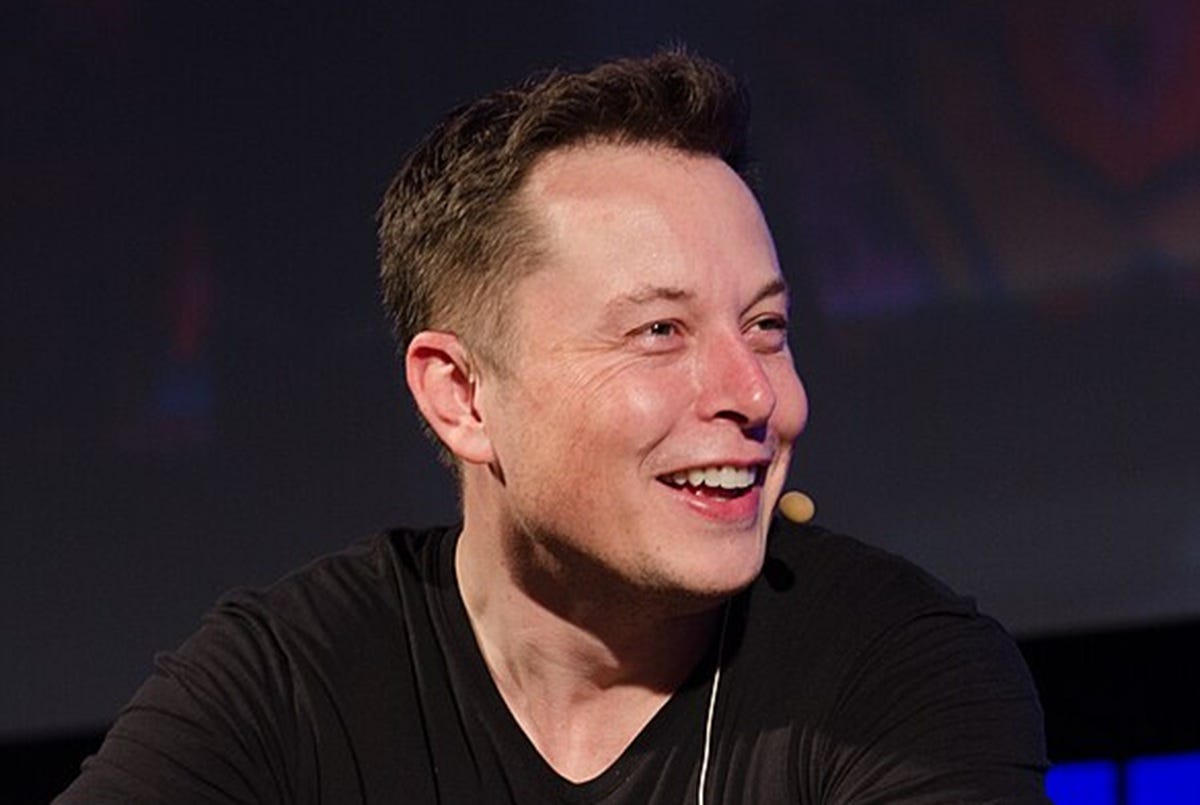
When I wrote last week about Elon Musk’s X and his AI tool Grok, the point wasn’t that something had gone wrong, so much as something was working exactly as intended.
We flagged this before much of the media caught up to the appalling proliferation of sexual abuse material on the world’s most influential social media platform. Now, Ofcom has launched a formal investigation into whether X has breached the Online Safety Act — including over non-consensual intimate images and failures to protect children from pornographic content. This is welcome. But it also confirms the core argument of that piece: the mass creation and circulation of sexualised images of women and girls is not a technical glitch. It is the predictable outcome of a platform designed to reward humiliation, cruelty, and transgression.
As I argued last week, X is not a neutral utility that occasionally misfires; it is an environment that strips away humanity — through anonymity and algorithmic bias — and amplifies society’s worst instincts. Racism, misogyny, and sexualised abuse are algorithmically rewarded.
This matters because the government still treats X as an unavoidable communications channel. Downing Street says its presence on the platform is “under review”, with the Prime Minister’s spokesperson insisting that “all options are on the table”. Those words are now being tested.
If the Online Safety Act is to carry any authority, enforcement cannot stop at polite inquiries. It must include the willingness to withdraw legitimacy — including, if necessary, banning a platform that refuses to comply with UK law.
This was not inevitable. Every major tech company building generative AI knows these risks and invests heavily to prevent them. X chose not to. That choice reflects a wider ideology: one that frames abuse as “free expression”, accountability as censorship, and harm as collateral damage in the pursuit of attention and power.
Some MPs have already acted. Labour’s Sarah Owen, Louise Haigh, and Charlotte Nichols have left the platform entirely, urging colleagues to follow. Others stopped posting when the site became unusable. Meanwhile, ministers such as Alex Norris remain, ostensibly to communicate with voters — though, as this Bluesky user pointed out, none of his tweets in the last month have seen more than 1,000 views.
Further afield: Regulators in Malaysia and Indonesia have temporarily blocked Grok. France’s prosecution service has opened an investigation into the tool and the wider site. Germany is preparing a “concrete proposal” for a new law against digital violence. Other countries are considering their next move. The question now is whether the UK government is prepared to confront the reality it has so far avoided.
Using X is not pragmatic neutrality, but active legitimisation of a platform whose incentives run directly counter to its stated commitments on violence against women and girls, extremism, and democratic discourse.
Let’s be clear: this is not about curtailing free speech. You remain free to say what you like — but you do not have the right to say it on a platform that systematically enables sexual abuse and the creation of images of children. Being prepared to block the site in its entirety is not censorship; it is a sanction we must be ready to use if the Online Safety Act is to mean more than the paper it is written on. Freedom of expression cannot come at the expense of the safety of children.
Ofcom says its investigation is a matter of the “highest priority”. It should be. The stakes could not be higher. Because if governments cannot stand up to platforms that enable the worst forms of abuse in plain sight, refuse accountability, and undermine our democratic values, we will have no leverage over the tech giants shaping our society.
X is not a test case — it is a defining battleground in the stand-off between states and powerful, sinister, unaccountable companies. We cannot afford to lose. ■
About the author: Zoë Grünewald is Westminster Editor at The Lead and a freelance political journalist and broadcaster. Zoë then worked as a policy and politics reporter at the New Statesman, before joining the Independent as a political correspondent. When not writing about politics and policy, she is a regular commentator on TV and radio and a panellist on the Oh God What Now podcast.
👫Agree with Zoe? Share this story with your friends, family and colleagues to help us reach more people with our independent journalism, always with a focus on people, policy and place.
And our January sale is now live too, you can get 26 per cent off an annual subscription to The Lead for full access and a way to support our independent progressive journalism too. It means it’s exactly £36.26 for the year, which is equivalent of £3.02 per month, instead of £49. Bargain!
You're right Zoe. Yet, though I don't like Starmer even though I'm a Labour voter historically, not in the last election because I knew what he was. I certainly don't want Farage anywhere need Downing Street and our, so far free society. Starmer keeps missing opportunities to put the Reform party in their place so he'll miss this one too. They are acting like the feckless Democrats in the U.S. As for the media platforms. I don't belong to any except Substack. All the others are just noise and misinformation. Sometimes if I've noticed a reference I'll view an interview on UTube but that's it! By the way it doesn't matter what bans you put on Musk's X until people stop using it they will still not stop doing their shit. They make money from views, so stop using it. I mean it's not as if there isn't other mediums out there. If they also take advantage then stop using them too! Eventually the message will sink in. Stop B.S.-ing your subscribers and then we the people will trust you!
It’s up to every sensible person to cancel their involvement with X.