

How to make modern dating work for you
The structural reasons for the current 'relationship recession' are plentiful, but addressing the toxic dating culture starts with us


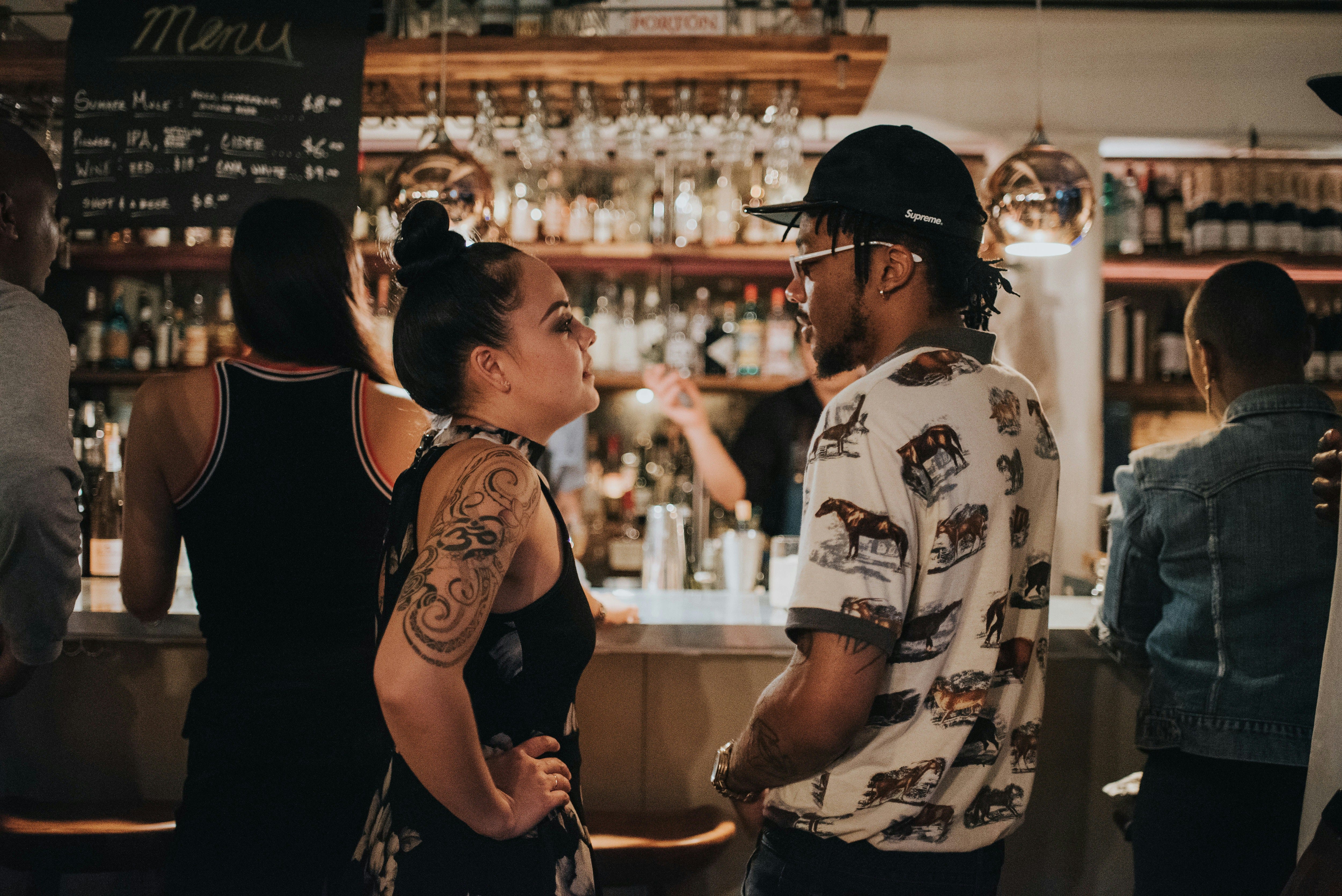
We’re in the midst of a raging relationship recession. The proportion of UK young adults in couples has been declining for decades. This shouldn’t be ignored: From loneliness and apathy to rising extremism, dating disillusionment has impacts far beyond the sphere of love and romance.
Generally speaking, dating apps are overwhelming for women and unfavourable for men. The apps have encouraged us to see our fellow humans as ‘disposable’, and made dating more shallow. They are designed to be frustrating and addictive in the name of profit. They’ve also made it so that the quest for love and romance is something that exists predominantly online - something we do digitally, at home, alone and removed from other interconnected parts of our lives like work or hobbies, making it harder to find a stable and successful relationship.
But hope is not lost. From people taking steps to disengage from the ‘gender war’, to the rise of in-person dating events, to charities doing impactful work to stop the spread of misogyny, The Lead spoke to the people finding solutions to combat the dating crisis.
Tuning out the culture
When 32-year-old Lily* got out of a long-term relationship two years ago, she decided to take a fresh approach to dating. “I didn’t want to get sucked into needing validation or spending too much of my life on Hinge,” she tells The Lead.
To avoid this, Lily kept her profile ‘paused’ most of the time, and only ‘unpause’ it when she used the app for a couple of minutes every day. “Then I would go through some profiles and send them a like or message. It put the ball back in my court,” she explains.
As Dr Luke Brunning, a philosopher at the University of Leeds and co-organiser of the university’s Centre for Love, Sex, and Relationships tells The Lead, people often complain about modern dating while still contributing to the hostile atmosphere “by being inflexible in their preferences, or quick to dismiss someone who isn’t perfect.”
It’s always worth remembering that while you can’t control others’ actions, you do have control over your own behaviour. “Try to foster solidarity, care, and kindness, even towards the people we ultimately pass over,” Dr Brunning says. “Be the person you want to meet on a date.”
When it came to choosing which profiles to ‘like’, Lily wasn’t swayed by anything superficial. “I tried not to make assumptions based on people’s looks,” she says. “I was looking to see what they’d done in their life to show they’re an interesting or curious person.”
She adds that she made a concerted effort to tune out “the pessimism and constant man-bashing” that pervades discussions about modern dating, adding that she approached dating with more open-mindedness. “There are lots of interesting people out there [...] I still had lots of crap dates, but I saw them as an opportunity to learn something, even if I knew it wasn’t going to end up in a romantic relationship.” Lily went on to meet her new partner on Hinge.
Going offline
Others, like 23-year-old Conor, are shunning apps entirely in a bid to make dating less goal-oriented and get more comfortable with rejection. “I feel positive about dating. Very positive, really,” he tells The Lead. He recently deleted “all dating apps” and now “exclusively” asks women out in person. “It’s hard, but after a while it’s become normal and natural, so I feel very confident,” he explains. “I think face-to-face rejection is crucial, and we’ve created a society where men feel it’s the worst thing in the world. And now that it is avoidable, most avoid it entirely.”
While people like Conor have been seizing opportunities to approach people in person, Dr Brunning believes society more broadly is crying out for more spaces where this kind of interaction is possible. “The housing crisis, loss of third spaces and night-time venues makes it harder for people to meet cheaply and easily in physical spaces,” he says. In a bid to address this, there has been something of an offline dating renaissance in the past few years, with singles nights designed to facilitate face-to-face meetings popping up all over the country. According to Eventbrite, 2023 saw three times as many speed dating events listed in London compared to 2021.
Jessica Hope Evans launched singles events series Bored Of Dating Apps [BODA] in 2022 an attempt to move dating offline again. It began as an “experiment, a way to bring people back into real rooms with real conversations and real chemistry,” but after over 200 people turned up at the inaugural event in Liverpool, momentum quickly gathered. “What started as one event quickly became a movement,” she tells The Lead.

“When you take people offline and put them in the right environment, everything shifts. People relax. They laugh more. They open up in ways that simply don’t happen on a screen.” Today, BODA is still going strong, with events regularly hosted across the UK and, as of last year, across the pond in New York too. Amazingly, the series has been the catalyst for a smattering of engagements and weddings – and even one baby.
Tackling male loneliness
Speed dating events aren’t without their own problems, of course. “App issues do show up in real life,” Evans acknowledges. While BODA is trying to help people “‘de-app’ their mindset”, she acknowledges that “after a decade of swiping, some people have forgotten how normal and low-pressure it used to be to talk to a stranger in a bar.” In particular, Evans adds, “conversations around men’s confidence in the space reoccur.”
Writer Shon Faye has argued there’s a ‘crisis of expectation’ in modern heterosexual dating, with today’s financially independent young women now looking for emotional reciprocity in male partners who have (generally) not been socialised to provide it.Over the past few years, male loneliness has become an increasingly urgent issue; recent research has found that 8 million men in the UK feel lonely at least once a week. This is both a result of, and a reason for, today’s dating crisis. But thankfully, a number of charities and organisations are trying to tackle the problem of male isolation at the root. Gender equality charity Beyond Equality is one such organisation. “We facilitate workshops with men, to create spaces to challenge norms and foster emotional expression, wellbeing, and healthy relationships,” managing director Daniel Guinness tells The Lead. He adds that they also regularly produce research on men’s issues, to inform policy and support “building structures to better support gender equity and healthier versions of masculinity.”
To dive deeper into the reasons why so many young daters are becoming disillusioned, listen to this month’s subscriber-only podcast, The Lead in Conversation.

Professor Robin Dunbar, psychologist and anthropologist at the University of Oxford tells The Lead that “there have been a number of interesting initiatives” popping up to tackle the problem in recent years, such as the Men’s Sheds Association or The Proper Bloke’s Club. “These are basically contexts in which men get together and do something,” Dunbar says, such as craft or repair work or walks in nature. “Bonding comes through common interest and focus on a task. That’s what is really required – a context in which groups form.”
There are also online spaces where men attempting to leave their current ideology behind go to get a fresh and empathetic perspective. While deradicalisation is rarely this simple, there are numerous reports of men attempting to leave their misogynistic ideologies behind.
Challenging norms
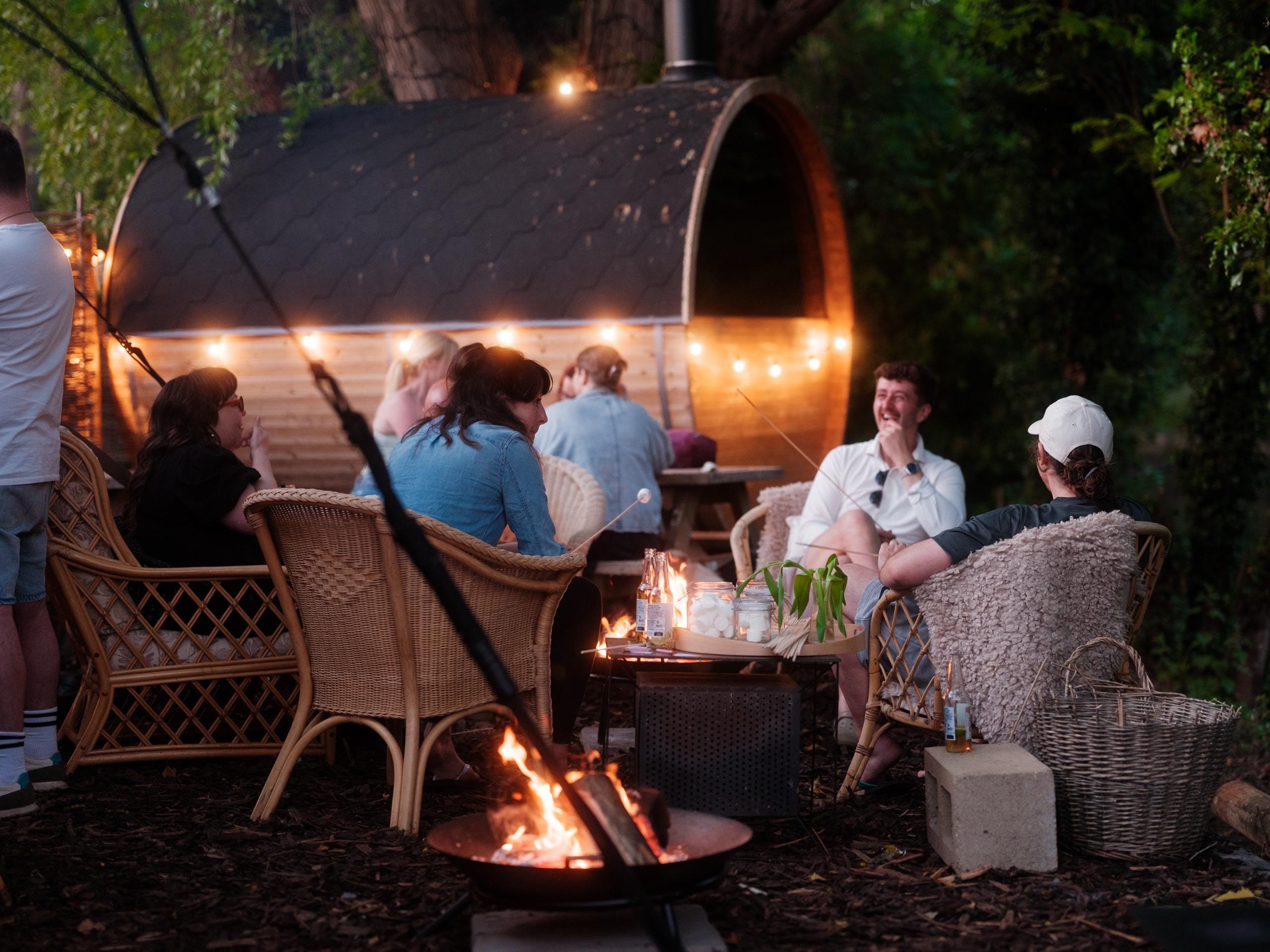
Cultivating community is a bona fide means of tackling dating disillusionment; many of us, men or women, lonely or not, often don’t fully appreciate the other ways in which love is already present in our lives. The dominant idea that a long-term romantic partnership is a prerequisite for a fulfilled life – known as Amatonormativity – “can make it hard to notice the ways our friendships, family life, or even acquaintances and collegiality enrich our lives,” says Dr Brunning. He asks us to consider: “Are we overvaluing romantic relationships and undervaluing other forms of care and friendship?”
For 32-year-old Kat and her queer social circles, relationships have never been the be all and end all. “There’s this narrative that’s mapped out in movies and TV that you have your group of girlfriends who get you through your formative years, and then you fall in love and leave them behind,” she tells The Lead. “I’ve never experienced that, because my friendship groups have always been queer and [aren’t governed by] the same structures.”
Kat is particularly close with one of her friends; their lives are intertwined in a way that society typically associates with romantic partnership. “During the pandemic we bought electric bikes at the same time and were on the same insurance plan. On another occasion, I went as her plus-one to a wedding,” she recalls. When Kat later came out as queer, her mother wrongly assumed that she was in a romantic relationship with this friend. “She came to visit in the run up to Christmas, and I think in my mum’s view, you would only ever bring a [romantic] partner home for Christmas. But that’s something you can do with a friend too,” she says. “There are lots of things we assume that you can only do with a partner. But that’s not the case.”
Some people buy homes with their friends while some people are choosing to have children on their own. As Kat notes, this isn’t about giving up on dating all together, but removing the pressure to make it more fun. “Knowing I had friends who could fulfil most of those needs kind of took the pressure off,” she says. “I was single for eight years, and then went into the most stable and happy relationship of my life, probably because of that too.”
While it’s valid to want a romantic partner, it’s never a bad idea to consider whether you’re putting too much stock in the idea that securing a partner will complete you. Humans are social creatures, of course, and we all need love to flourish – but love can come in many different forms. “Life can be sociable, rich, and fantastic without a central romantic or sexual partner,” says Dr Brunning. “Community can be found in many places.”
About the author: Serena Smith is deputy editor at Dazed and a freelance writer. She is based in London.
The Hope Reset is our January series that aims to help you start the year on an optimistic note. Ditch the doom-scrolling and tap into something hopeful instead. Cutting through the apathy of our times starts with you. Thank you for reading.
👫Enjoyed this article? Share it with your friends, family and colleagues to help us reach more people with our independent journalism, always with a focus on people, policy and place.
And, subscribe to The Lead in January and get a huge 26% off annual membership, which means it’s just £36.26 instead of £49 for the whole year.
I do like your purpose, "The Hope Reset is our January series that aims to help you start the year on an optimistic note. Ditch the doom-scrolling and tap into something hopeful instead. Cutting through the apathy of our times starts with you.