


What do you make of Andy Burnham’s plans?
Before we get into this week’s story, we want to know what you think of the new prime minister. He has promised to end rough sleeping, build more council homes, give regions more power, bring greater public control to water and energy, reform social care, protect the future of pubs and move closer to Europe.
Let us know: Which of his promises matter most to you, and do you think he can deliver them? Email directly to ed@thelead.uk, or simply reply to this email, with your responses.
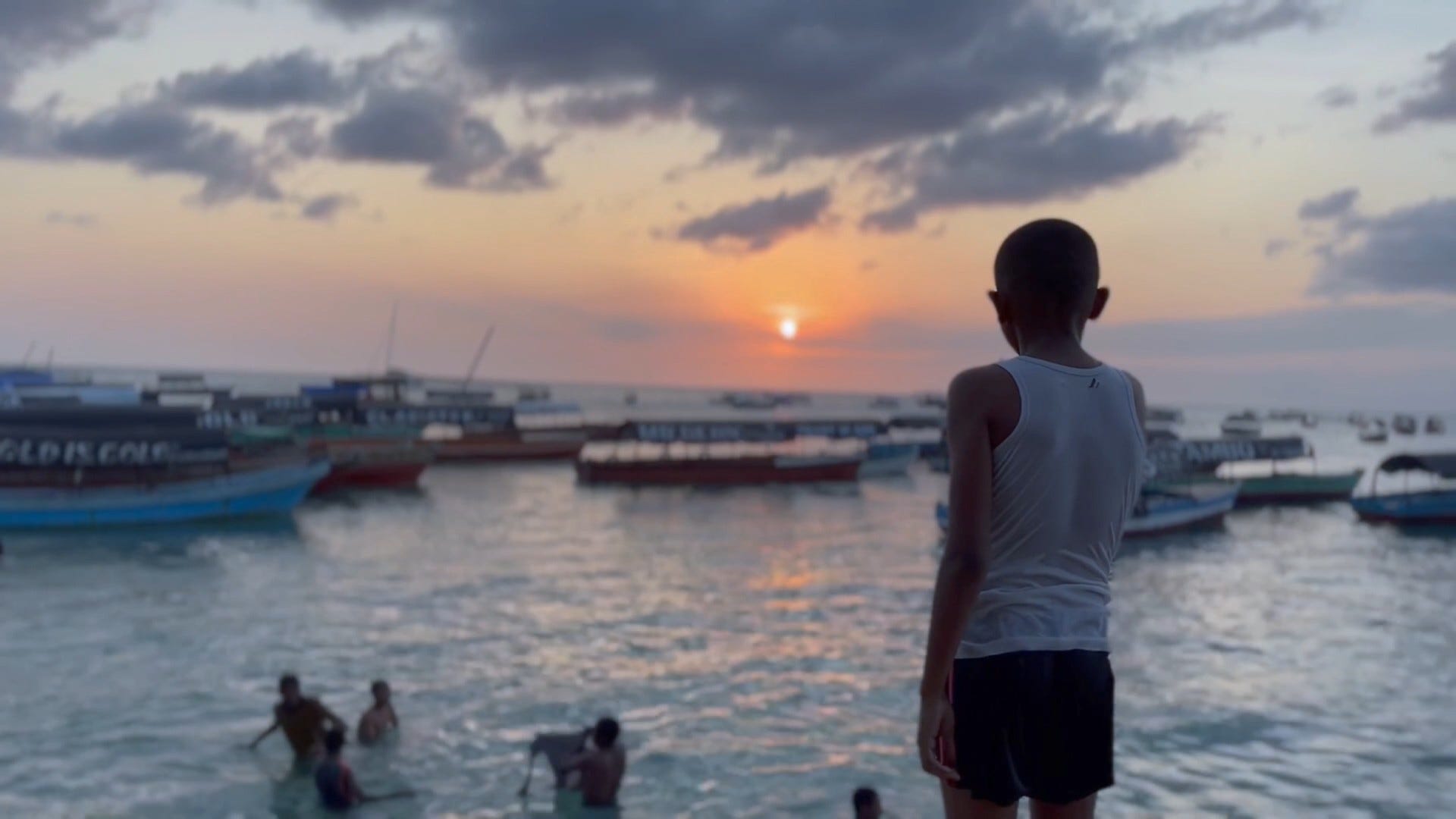
Open water has become a symbol of relief this summer. As relentless heatwaves batter Europe with record-breaking temperatures, people flock to rivers, lakes and beaches desperate to cool off.
And there is a crisis playing out beneath the surface – one that is brought into sharp focus this World Drowning Prevention Day. Drowning remains one of the most under-discussed preventable causes of death globally, and who is most at risk remains deeply unequal. In the UK, Black children are 3.5 times more likely to drown than their white peers.
The dangers of this were rarely clearer than on Thursday when Shally Rahman, 41, and Samiha Rahman, 15, died in the water at West Mersea. Tragically, Essex Police believe they died trying to help a seven-year-old boy - a family member - who had gotten into difficulty.
That urgency sits at the heart of No Lifeguard, a new documentary by filmmaker and water safety advocate Ed Accura.
The film travels from Ghana to Sri Lanka – countries with some of the highest rates of drowning globally – tracing how open water is a daily threat in communities where swimming is not taught and safety systems are absent. It is stark viewing, as children play metres from danger, and families are forced to live alongside constant risk and fear.
“Anyone can get into trouble in the water,” Accura tells The Lead, “even the most advanced swimmer can drown.”
His central point is simple: water safety must be preventative, not reactive. A lifeguard, he argues, should be understood as an ecosystem, not a single role, with responsibility shared between community understanding, government action and individual accountability.
“Ask yourself: ‘what will happen if I get into difficulty in that water?’ ‘Am I very clear about my skill?’ ‘Do I have a plan?’ If I can answer all these questions comfortably, then I’ll get into the water.”
A summer of warnings
In May, during an early heatwave, 15 people died in water-related incidents across the UK – the majority of them children and teenagers. By July, as temperatures hit 35C on six separate days for the first time on record, two teenagers died in separate open-water incidents within days of each other.
These deaths are typically reported as isolated tragedies. But taken together, they reveal a pattern of increased risk among certain demographics. And not all young people are equally prepared, or equally protected.
The deaths of three Black sisters off the coast of Brighton earlier this year prompted intense speculation and online commentary. For Black communities, tragedies like these can reinforce a longstanding, uneasy relationship with water that has been shaped by exclusion and scrutiny.
Research published in 2023 – the first study to categorise child drowning fatalities by ethnicity in the UK – found that Black children are significantly more likely to drown than white children. Children from more deprived backgrounds face double the risk. Underpinning those figures are deep-rooted structural gaps; lack of access to swimming lessons is a key one. According to the latest research from the Black Swimming Association, 31 per cent of survey respondents reported finance as a barrier to aquatic activity. Sport England’s Active Lives survey found that 95 per cent of Black adults and 80 per cent of Black children in England do not swim.
But for Accura, the problem runs deeper still.
“We talk about access to pools, we talk about funding… but those are superficial issues,” he argues. “The problem is relativity. Black people do not relate to water.”
For Accura, water safety is shaped by familiarity as much as access. Communities historically excluded from aquatic spaces are less likely to feel confident or prepared in them. Accura – who didn’t learn to swim until adulthood – believes the conversations around access and safety must happen concurrently.
He tells the story of his tween nephew who was adamant he didn’t want to do swimming lessons at school. The boy told his uncle swimming was “for white people” and said he could prove it. He pulled up pictures of the majority white Team GB swim teams as evidence that he would never belong.
“Swimming and water needs to be part of our culture,” Accura says. “It needs to be part of the youth culture. It needs to be part of the Black culture.”
“Water safety isn’t prioritised”
“While anyone can drown, drowning is not equal,” Seren Jones, cofounder of the Black Swimming Association and Head of Marketing and Comms, tells The Lead.
“Water safety isn’t prioritised in schools, swimming clubs, or even conversations at home. Yet marginalised groups and those from lower socio-economic backgrounds are more vulnerable. Black communities across the country fit into this bracket.”
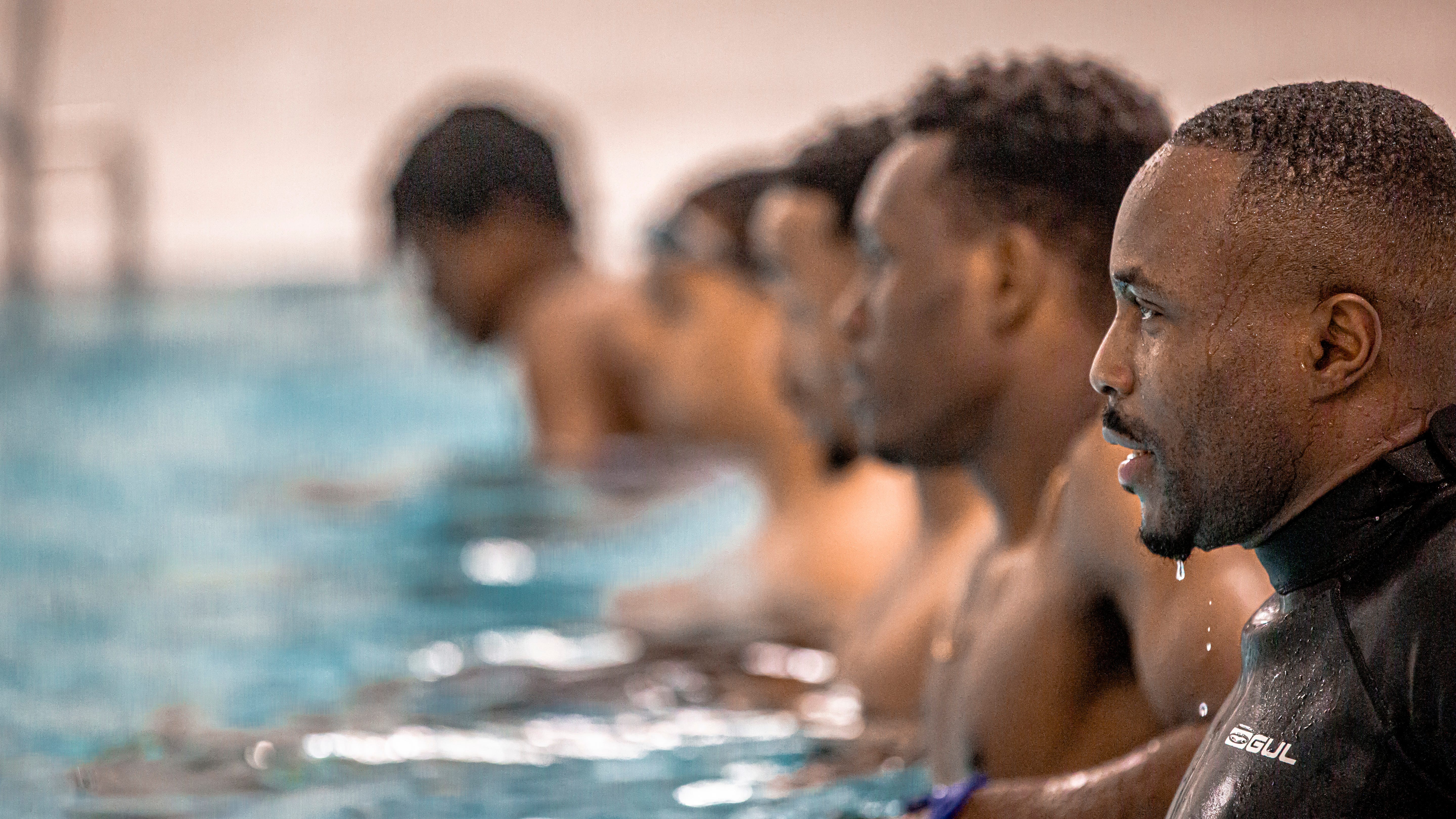
On belonging, Jones is cautiously hopeful. While swimming has historically been dominated by middle-class, predominantly white groups, she says that is beginning to shift.
“In 2026, you can find classes for women only, people of different sexual orientations, different religious backgrounds, and different ethnicities – but this wasn’t the case just six years ago,” she explains. “The rapid growth in the number of community and grassroots groups exploring aquatics has greatly increased participation and helped change attitudes towards being in water. They’ve also helped dismantle a cultural barrier – where people don’t feel like water, swimming and aquatic spaces were designed with them in mind.
“Things like introducing inclusive swimhats, and costumes for all different types of physiques, show barriers are being brought down, but there’s still plenty of work left to do.”
That work requires a dual focus on infrastructure and cultural change. Water safety is not just about what is available – the presence of a lifeguard – but what feels possible.
“As these heatwaves become our new normal, we have a responsibility to ensure that everyone, especially those considered higher risk, has access to vital education and knowledge to prevent future drownings,” says Jones. “If water safety is not prioritised by those in power, we will see this trend of fatalities not only continue but increase.”
No Lifeguard — produced by Ed Accura, SpaceDNA Studio and directed by Mysterex, UK — is available to watch for free from July 23.■
About the author: Natalie Morris is a freelance writer, author and journalist and host covering social justice, inequality, health and community.
👫If this article resonates with you, comment, share and spread the word. We always love to hear your feedback, or if you have own experience to share – of lacking parental support, or another story we should be shining a light on – email zoe@thelead.uk.
As a documentarian deeply invested in the issues of water safety and representation, I appreciate the critical conversation sparked by this article. The racial and socioeconomic disparities in drowning rates are alarming and demand immediate attention. My film, *No Lifeguard*, sheds light on these very inequalities, traveling from Ghana to Sri Lanka to reveal the global crisis of drowning, particularly among marginalized communities.
It's vital that we move beyond mere discussions of access to swimming lessons and public pools; we must address the cultural barriers that prevent communities from feeling connected to water. Together, I firmly believe we have the power to intervene and prevent that one drowning that may happen tomorrow, and then the next day, and who knows how many after that. I mentioned in the introduction of the No Lifeguard, documentary that if we save even one person as a result, then that's one family that doesn't have to go through this unthinkable pain from such a preventable tragedy.
As we navigate this summer of heatwaves, let's ensure that water safety education is prioritized, especially for those at greater risk. We all have a role in ensuring a culture of safety and belonging in aquatic spaces. Together, we can make a difference.