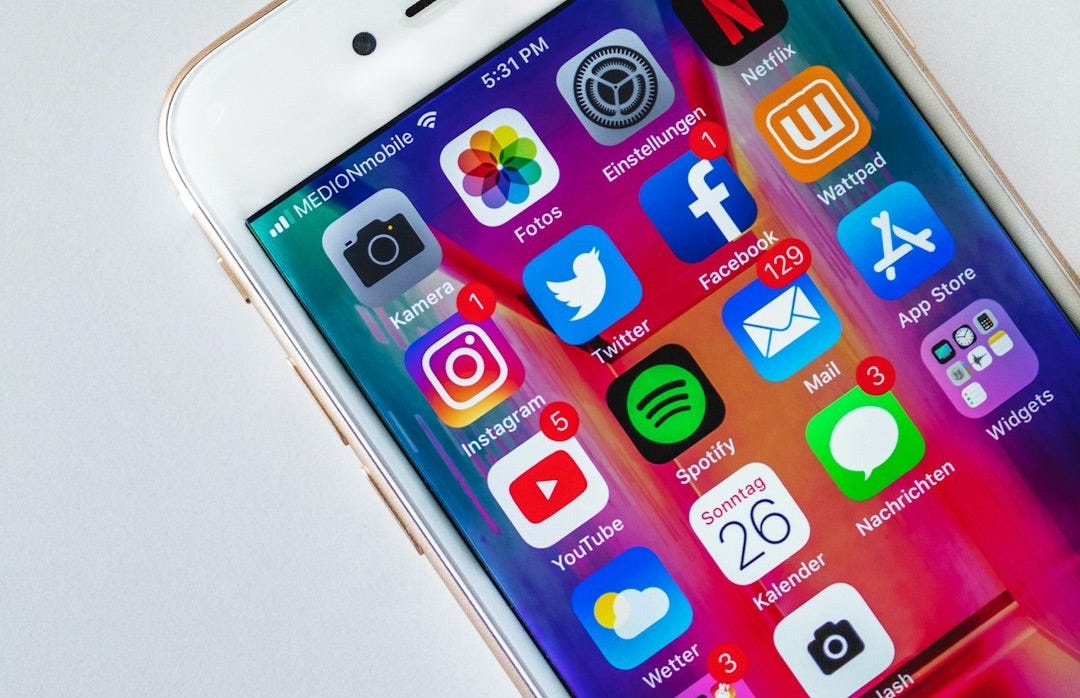
Australia is putting young people first. Britain should try it
The first national ban on teen social-media accounts is controversial, imperfect, and a reminder of what real political will on behalf of young people actually looks like.

Tomorrow, Australia will become the first country to ban under-16s from having social-media accounts. Instagram, TikTok, YouTube, Snapchat – all of them will be restricted, and platforms that fail to keep children off their sites could face multi-million dollar fines. It is, by any measure, a political bombshell. The world is now watching a long-awaited showdown between runaway Big Tech and a government that firmly believes its first duty is to protect children.
Supporters of the legislation argue the case is obvious: the mental-health crisis among young people is worsening, the harms are well documented, and Silicon Valley has been allowed to regulate itself for too long, and look where that’s got us. There was a world for children before social media, and there can be one again.
Critics counter that a blanket ban is draconian, unenforceable, and an assault on digital rights. Teenagers will lie about their age, borrow devices, find workarounds. And for some young people – those who rely on online communities for connection or escape – the consequences of being locked out may be profound.
I sit somewhere between the two camps, though I verge on the former. I share doubts about workability and unintended consequences, but it is hard not to admire the ambition. It is astonishing to see a government stand up to tech vampires in Silicon Valley, not with hand-wringing but with legislation that bites.
The backdrop is a bleak one. Self-harm among teens is rising. Body-image issues are spiralling. Teachers and youth workers say they are watching a generation buckle under constant comparison and an endless feed of algorithmic pressure. When I visited a secondary school in South London earlier this year, pupils told me online life was too often making them miserable, and that politicians were not taking them seriously. Many wanted firmer age limits and stronger protections; they were sick of their lives were being shaped by systems adults barely understand.
In Britain, the political response has been timid. We have had years of select-committee reports, moral panics, and ministerial promises to get tough, all amounting to very little. Big Tech continues to dictate the terms and parents are left to police an environment they cannot control. It is not hard to see why Australia decided to stop waiting.
What is striking, though, is that the ban is not some isolated crusade, rather it forms part of a broader political project: a government attempting – imperfectly, but intentionally – to make life materially better for young people. This year alone, the Albanese government wiped 20 per cent off every student loan in the country. Three million Australians saw their debt fall overnight; early-career workers were given real breathing space through higher repayment thresholds. At the same time, the government has launched a housing programme designed to ease pressure on renters, boost supply and make home-ownership something more than a fantasy. And crucially, Australia has long taken democratic participation seriously, with compulsory voting from the age of eighteen. The result is a larger, louder youth voting bloc, and politicians who can’t simply ignore them.
Imagine all that here. It’s really rather difficult. This Labour government has taken some steps in the right direction to help bolster the fortunes of young people – a higher minimum wage, more apprenticeships, renters’ reforms – but then undermines them by leaning into rhetoric about young people’s work ethic and a tax system that increasingly relies on working-age pay packets. The November budget was a case in point: £26bn of tax rises delivered largely through stealth freezes that disproportionately hit workers. Graduates face an additional blow as their student loan repayment threshold was frozen, a move the National Union of Students warned would leave many struggling to meet basic living costs.
Intergenerational inequality is a defining political reality of modern Britain. Debates around the proposed mansion tax – dominated by eye-rolling profiles of older homeowners “accidentally” sitting on multimillion-pound assets – obscure the more urgent crisis: millions of young people who may never own a home at all. Their route to financial stability is blocked by low wages, high rents and stagnating opportunities. Yet it is their incomes this government mines to balance the books.
To be clear: I am not arguing that Britain should simply copy Australia’s ban. The policy will be messy, contested and may well soften in time. But the political principle behind it is certainly worth noting: when a government puts young people first, it suddenly has room to take big, consequential decisions.
Perhaps the lesson for Britain lies not in the ban itself, but the context that made it possible. Australia is increasingly adopting a political culture that expects governments to consider the young; a recognition that tomorrow’s voters are today’s teenagers, and a willingness to risk political capital in their name.
Treating young people as stakeholders can yield bold, brave policy. Imagine if Britain dared to do the same.■
About the author: Zoë Grünewald is Westminster Editor at The Lead and a freelance political journalist and broadcaster. Zoë then worked as a policy and politics reporter at the New Statesman, before joining the Independent as a political correspondent. When not writing about politics and policy, she is a regular commentator on TV and radio and a panellist on the Oh God What Now podcast.
👫Enjoyed this article? Share it with your friends, family and colleagues to help us reach more people with our independent journalism, always with a focus on people, policy and place
🎁And if you love what we do at The Lead you can buy a gift subscription for Christmas to give the gift of The Lead to a friend, family member of colleague. There’s 20% off gift subscriptions for December and you can order right up to and including Christmas Day!


Young people don’t vote, old people do. Sadly. The young and future generations will never be prioritised by a government looking to preserve its power, building a better future for those that follow (especially free from the dopamine addiction of being chronically online) is a nice to have not a need to have.