


Let’s start with the good news.
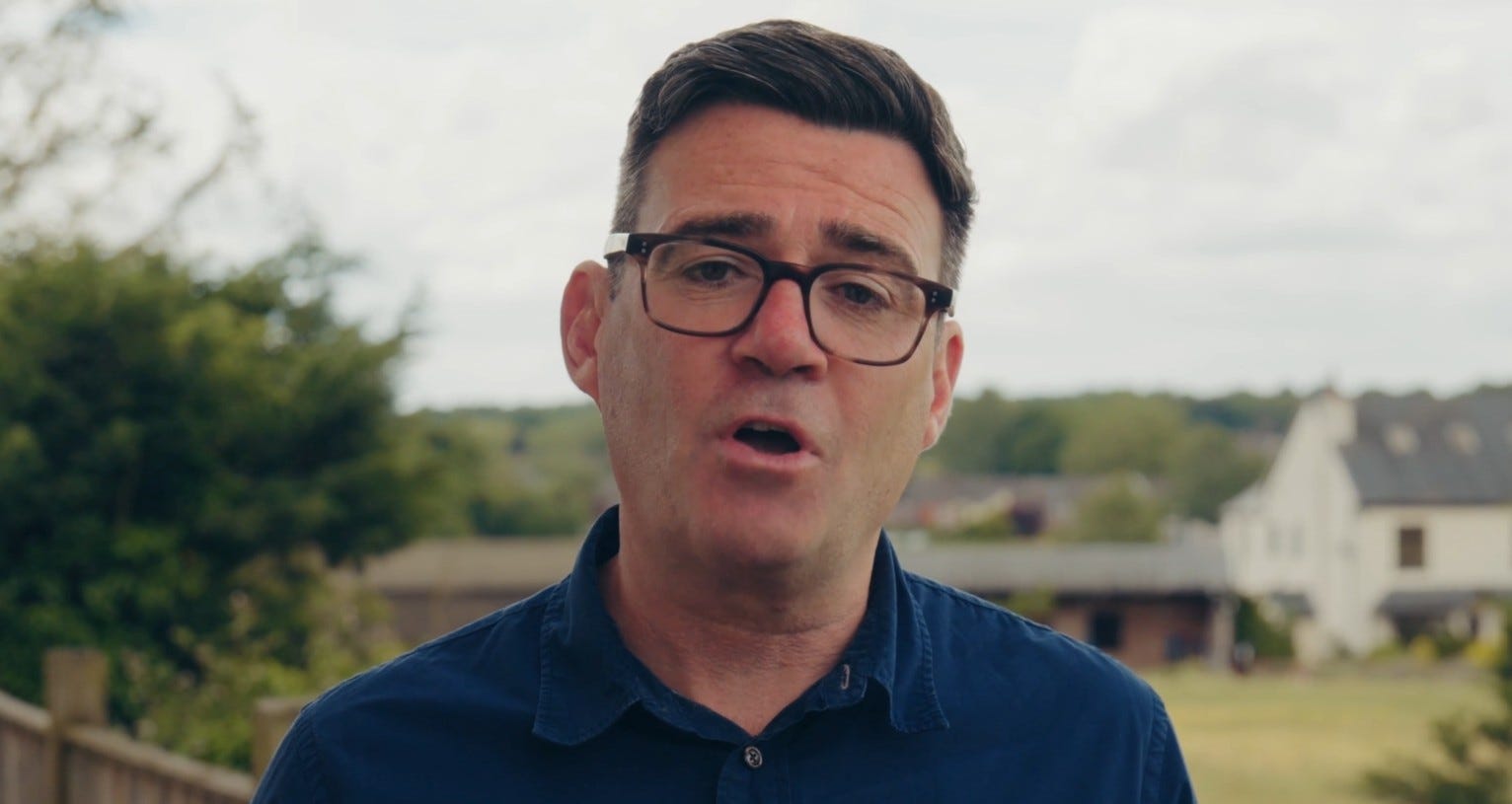
People still believe politics can deliver change, they are still willing to vote Labour, and Andy Burnham has just proved it.
The bad news? Keir Starmer proved exactly the same thing less than two years ago.
There are undoubtedly things to be pleased about.
With 55 per cent of the vote and a majority of more than 9,000 over Reform UK’s Robert Kenyon, Burnham smashed through his electoral test, and increased Labour’s majority.
A by-election talked about as a referendum on Labour’s future ended up delivering Labour one of its most emphatic victories in recent memory. The collective breath held by Labour organisers, activists and MPs over the past few weeks was finally exhaled.
For months now, British politics has really been a story of collapse and rebuild. By most accounts, Labour is dead and Reform UK is unstoppable.
Makerfield suggests reality is more complicated. Most obviously (and once again) Reform lost. Reform have now suffered three by-election defeats across England and Wales in the past nine months, despite being presented as some kind of unstoppable political force.
Robert Kenyon, whose campaign would have collapsed instantly if he’d been standing for a party with even a modicum of self-respect, failed to persuade the people of Makerfield that what they really wanted was an MP with a long trail of misogynistic tweets and no apology.
He joins a growing list of unsuccessful Reform hopefuls, including GB News presenter and former academic Matt Goodwin and former UKIP-turned-Tory-turned Reform “political chancer” Llyr Powell. Meanwhile some of the party’s actual success stories include a man who was jailed for repeatedly kicking his girlfriend and a woman who this week suggested England’s football team should “keep winning” to reduce domestic abuse rates. It’s quite the club. Imagine how badly you have to campaign not to get into it.
The other notable casualty was Restore Britain. Another charming chap made in Reform, Rupert Lowe’s insurgent, hard-right outfit attracted attention, headlines and online enthusiasm, but when voters were asked to make a choice, they secured only a few thousand votes and seven per cent of the vote.
So for all the noise surrounding Britain’s populist right, voters in Makerfield still opted for a Labour candidate promising competence, local roots and practical change.
Perhaps beneath the commentary sits a less inflammatory and more comforting truth. Voters have not given up on democratic politics altogether, nor have they concluded that the entire system is beyond redemption. They are still willing to give mainstream politicians a chance, albeit, with something different from what they have been getting.
Burnham’s appeal rests in his ability to appear rooted in a place outside of London. Burnhamism is something like regional delivery, local identity and a sense that politics should improve people’s lives rather than simply manage decline. His model of politics already feels more tangible than much of what voters have experienced in recent years.
The problem is what — if anything — he can actually do with that.
So here’s the bad news.
While Burnham has shown that Labour can still win elections, he has not yet answered the much harder question of what the party can do next. In that sense, he’s at the very same start line as Starmer.
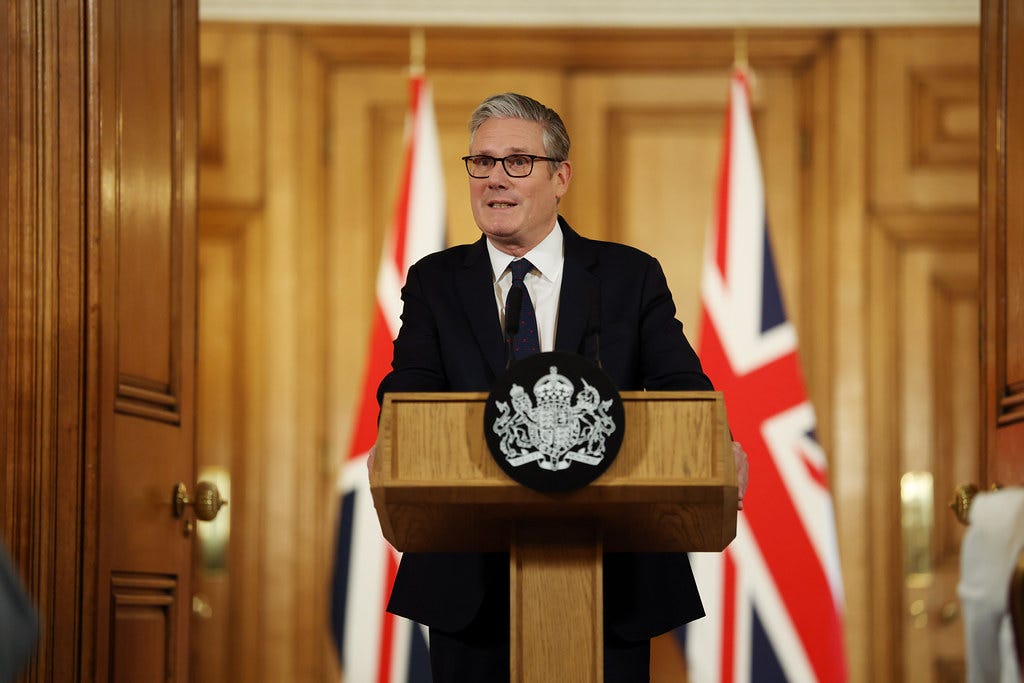
Westminster is already consumed by speculation about the prime minister’s future. Burnham’s supporters see this result as a whopping mandate for change, and critics are openly discussing leadership contests. Starmer, however, has other ideas. He has already confirmed that he would stand in any possible leadership election, and has made it clear he won’t go without a fight.
Much of the country does not share Westminster’s enthusiasm for more political drama. Part of the issue is that Britain has spent too much of the last decade trapped in a churn; prime ministers promising renewal and departing before their projects reach completion. Every government sits in campaign mode, expending all their energy on changing course, shifting priorities and moving around their best players, rather than governing. Five-year parliamentary terms are barely long enough to tackle Britain’s long-term problems.
If Labour responds to every setback by changing leader, it risks looking dangerously self-indulgent at precisely the moment the public wants stability and delivery. And if things descend into acrimony — briefing wars and the party eating itself alive — things start to look very self-indulgent indeed.
Even if Burnham does manage some dignified entrance to No.10, things don’t get easier.
The Reform threat may have been diminished in Makerfield, but it has not vanished. More than 15,000 people still voted for Reform. Thousands more backed Restore Britain. That is a substantial bloc of voters who remain angry and alienated. To dismiss them outright would be foolish. The grievances that fuel those movements are still there, as are the constraints facing any future prime minister.
Economic growth remains sluggish. Public services remain under intense pressure. Our defence capabilities are weak; welfare reform remains politically toxic. The population is ageing, sick and unhappy. The fiscal room for manoeuvre is limited.
Burnham’s supporters often speak as though replacing the Prime Minister would automatically unlock a more popular and successful Labour government. It’s true that some of Starmer’s problems are, regrettably, personal. But his biggest problems are institutional, economic and political, and whoever occupies No. 10 will face the same Treasury orthodoxy, the same bond markets and the same frustrations. But this time, they’ll have less than three years to convince the public to give them another five.
Burnham may well prove a more effective communicator and reconnect Labour with voters who feel abandoned. He may also offer a clearer sense of purpose and optimism. But as we already know: winning an election and governing a country are two very different challenges.
Makerfield is therefore a cause for neither triumph nor despair. Not good, nor bad, but something in between. Labour is not dead, Reform not inevitable and British politics is not mutating into some unrecognisable populist dystopia. But voters are not happy. They still want more.
So what can we conclude? Labour has been here before, buoyed by goodwill and a hunger for change that has not yet been fully met.
The real test is what happens next: whether belief is rewarded or squandered once again. The greatest risk isn’t that hope runs out, but that it is repeatedly revived and then destroyed.
If Burnham’s Labour cannot turn a mandate into something consequential, then his victory could very well deepen the frustration it was supposed to resolve. ■
About the author: Zoë Grünewald is Westminster Editor at The Lead and a freelance political journalist and broadcaster.
👫Agree with Zoë? Share this story with your friends, family and colleagues to help us reach more people with our independent journalism, always with a focus on people, policy and place.
🇪🇺 We’ll be back in your inbox next week as we mark a decade since the UK voted to leave the European Union and the process of Brexit began. You can see part one and two in our series looking in detail at how it’s affected Britain since that day in June 2016.
Honestly my biggest concern about Andy Burnham is his deliberate ambiguity on any remotely difficult question. This constant fudging and flip-flopping is a big part of what got Keir Starmer into the mess he's in.
Good analysis and context. Fear that Burnham ( likeable though he is), isn’t the messiah who is going to lead the country to the “ hope” that he is promising. The problems of the economy are much deeper than that and a long term plan with proper funding is not in sight…